How Behavioral Health Services Improve Long-Term Recovery?

Recovery is not a single moment or a simple step forward; it is an ongoing journey shaped by consistent effort, supportive environments, and access to the right resources. For individuals facing emotional, mental, or behavioral challenges, long-term recovery requires more than addressing symptoms. It demands a deeper understanding of behavioral patterns, healthier coping strategies, and systems of support that reinforce progress. Behavioral health services play a crucial role in this process by offering comprehensive care that guides individuals toward sustainable healing. These services strengthen resilience, promote accountability, and help individuals build lives grounded in stability and well-being. Just as behavioral health counseling in Denver emphasizes long-term skill building, comprehensive support services everywhere help individuals develop the resilience needed to sustain lasting recovery.

Addressing Underlying Patterns, Not Just Symptoms

Many behavioral health conditions stem from underlying thought or behavior patterns that have developed over the years. Long-term recovery becomes difficult when individuals only focus on immediate symptoms, such as anxiety spikes or depressive episodes, without understanding the deeper triggers. Behavioral health services use evidence-based approaches like cognitive behavioral therapy, dialectical strategies, and mindfulness practices to identify these roots. This awareness allows individuals to change harmful patterns and replace them with healthier responses. By working from the inside out, behavioral health services create a foundation for enduring recovery.

Strengthening Coping Skills For Future Challenges

Life will always include stress, unexpected changes, and emotional hurdles. Behavioral health services focus on preparing individuals for these future challenges rather than simply eliminating current distress. Therapists and counselors teach coping techniques such as emotional regulation, grounding exercises, communication strategies, and problem-solving methods. These tools help individuals respond to difficult moments with clarity instead of fear or avoidance. Over time, these skills become second nature, making long-term recovery more stable and predictable.

Supporting Consistent Progress Through Structured Care

Consistency is one of the most important components of long-term recovery. Behavioral health services create structured plans that outline regular check-ins, therapy sessions, skill-building exercises, and follow-up care. This structure ensures that individuals do not feel alone in their journey and remain actively engaged in their recovery goals. Regular support also helps identify setbacks early, allowing providers to adjust treatment plans before challenges escalate. This steady guidance promotes confidence and reduces the risk of relapse.

Integrating Peer Support For Stronger Connections

Recovery becomes more sustainable when individuals feel connected to others who understand their experiences. Many behavioral health programs incorporate peer support, giving individuals access to people who have gone through similar challenges. Peer supporters offer encouragement, empathy, and real-world insight that can be both comforting and motivating. These connections reduce feelings of isolation and help individuals stay committed to their progress. The shared experience fosters a sense of community that strengthens long-term recovery.

Helping Individuals Rebuild Daily Routines

Healthy routines are essential for maintaining progress. Behavioral health services help individuals rebuild daily structures that support physical, emotional, and mental wellness. This may include creating sleep schedules, practicing mindfulness, engaging in hobbies, balancing work responsibilities, attending support groups, or setting achievable goals. When daily habits align with recovery goals, individuals experience more stability and less vulnerability to setbacks. Routines become anchors that keep recovery on track even during stressful periods.

Addressing Co-Occurring Challenges For Whole Person Wellness

Long-term recovery is often complicated by co-occurring challenges such as substance use, trauma, or chronic health issues. Behavioral health services excel at addressing these interconnected concerns through coordinated and holistic care. Rather than treating each issue separately, providers work together to create integrated plans that consider all aspects of an individual’s life. This whole-person approach prevents overlooked symptoms and improves overall outcomes. When every contributing factor is addressed, recovery becomes more complete and sustainable.

Encouraging Self Awareness And Empowerment

Behavioral health services help individuals develop self-awareness, which is a powerful tool for long-term healing. Through therapy and reflective exercises, individuals learn to recognize emotional signals, understand personal triggers, and identify growth areas. This awareness cultivates empowerment, allowing individuals to take responsibility for their wellness and make intentional choices that support recovery. People who feel empowered are more inclined to stand up for themselves, ask for assistance when necessary, and stick with their objectives. 

Conclusion

Behavioral health services significantly improve long-term recovery by providing structured support, teaching essential coping skills, addressing underlying patterns, and offering community-based connections. By embracing a whole-person approach, these services help individuals build strong emotional foundations that endure beyond treatment. Long-term recovery becomes achievable when individuals are supported, understood, and equipped with the tools they need to navigate life’s complexities with resilience and confidence. 
How To Match Your Watch With Your Personal Style?

A timepiece can say a great deal about who you are. It is more than a functional accessory; it can highlight personality, complement clothing, and create a sense of balance in your appearance. For many, Mens Watches serve as a finishing detail that ties together the entire look. Understanding your lifestyle, your clothing, and the message you wish to express can help you choose the ideal watch. 

Understanding Your Everyday Look

Start by considering how you dress most of the time. If your day involves relaxed clothing such as jeans, T-shirts, and casual shirts, your watch should reflect comfort and simplicity. Look for pieces with soft leather or canvas straps, clear dials, and modest case sizes. A casual timepiece should feel natural rather than bold, blending effortlessly with everyday outfits. The goal is to complement your look rather than compete with it.

Pairing Watches With Professional Attire

If you work in an office or frequently attend formal meetings, your watch should align with a polished and refined wardrobe. Watches with slim profiles and clean dial designs work especially well with suits, blazers, and tailored shirts. Choose neutral tones that do not distract from your overall presentation. Silver, black, and brown straps offer timeless versatility. The watch should add subtle sophistication, enhancing the professional tone of your clothing without drawing attention away from it.

Adding Personality To Evening And Social Wear

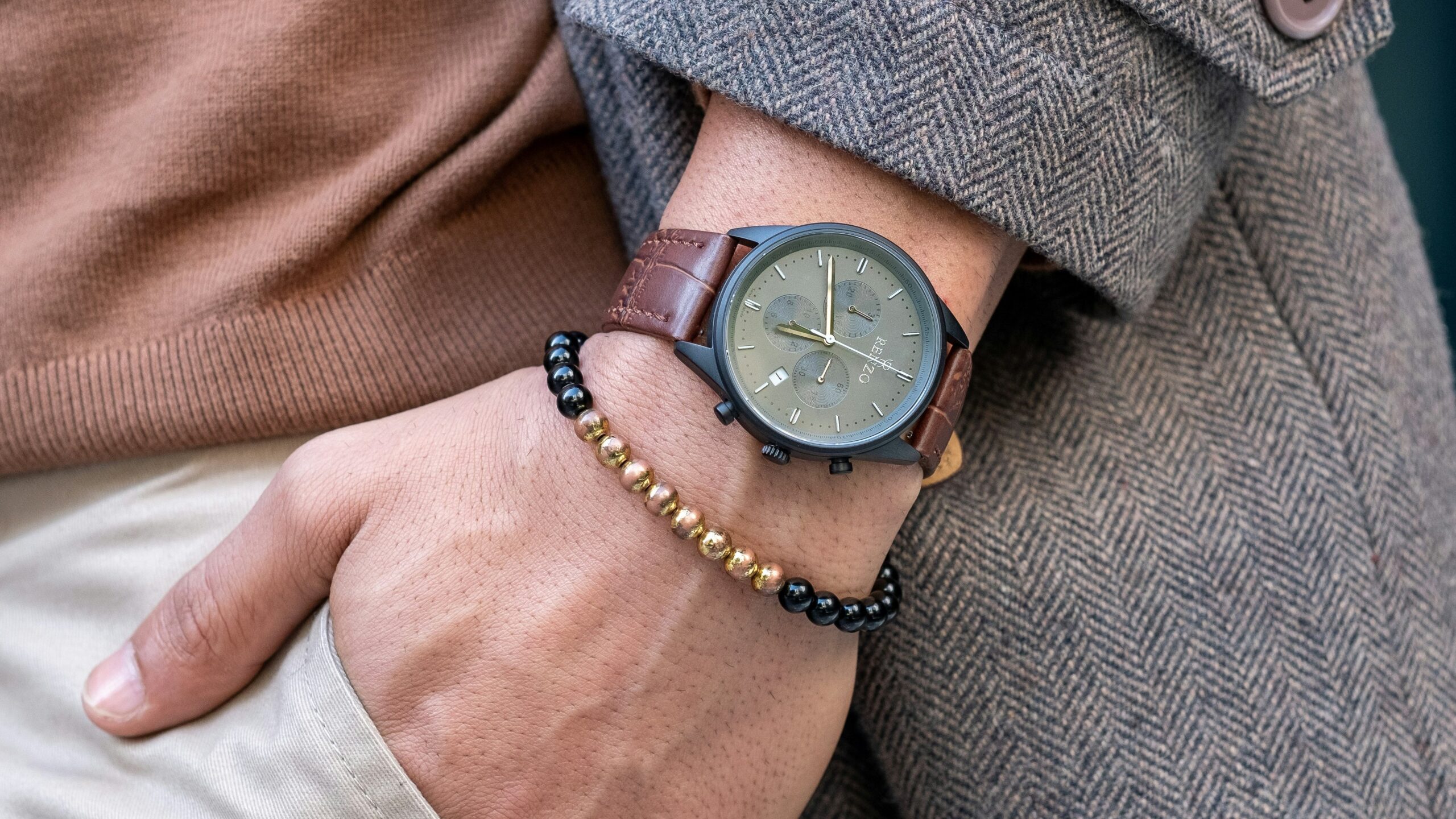
Evening outings and social gatherings offer a chance to be more expressive. This is where you can choose a timepiece with more texture, bolder colours, or intricate details. Chronograph faces, polished metal straps, or unique dial colours can add flair. The watch you wear for dinner, events, or celebrations does not need to be conservative. It should feel like a conversation piece and a reflection of your personal taste. The right choice can give your outfit character and confidence.

Aligning Style With Lifestyle Habits

Your daily activities matter. If you enjoy the outdoors, exercise, or weekend adventures, a sport or rugged watch may be suitable. These pieces are designed to withstand movement and changing environments. They often include features such as water resistance, luminous hands, or reinforced straps. Sport watches can be both functional and stylish. They show that you value durability and readiness for action. Just make sure the watch you select is comfortable and secure for active use.

Drawing Inspiration From Classic And Modern Trends

Some men prefer a timeless look inspired by vintage or heritage styles. Others are drawn to sleek, contemporary minimalism. Classic designs often feature warm leather straps, understated numerals, and gentle curves. Modern styles may include clean lines, simple markers, and monochrome finishes. Combining these elements allows you to express individuality while staying balanced. There is no correct answer, only what feels right on your wrist.

Selecting With Confidence From Trustworthy Retailers

Finding a watch becomes easier when you explore curated collections with guidance. House of Watches offers varieties that suit different tastes, from formal elegance to relaxed everyday wear. Being able to compare multiple designs side by side helps you recognise which features you naturally prefer. Quality retailers also provide information about movement type, strap comfort, and durability, helping you make an informed decision that supports long-term enjoyment.

Caring For The Watch To Maintain Style

Matching a watch to personal style is not only about choosing it; care matters too. Clean the strap regularly and store the watch properly when not worn. Leather straps last longer with gentle conditioning, and metal straps can be polished to maintain their shine. Proper care ensures your timepiece remains an elegant part of your wardrobe for years, rather than something that wears out quickly.

Final Thoughts

Matching your watch to your personal style begins with awareness of your lifestyle, clothing, and personality. The right timepiece should feel natural, complement your daily look, and offer confidence. By selecting thoughtfully, you create not just an accessory, but a reliable expression of who you are. A watch becomes part of your presence, your rhythm, and your signature style.

Cosmetic Lengthening Treatments: Understanding The Modern Approach

Cosmetic lengthening treatments have become an increasingly discussed option for individuals who desire greater height or improved limb proportions. What was once considered a complex medical procedure reserved only for injury repair or congenital differences has evolved into a refined and customizable treatment available to those seeking aesthetic enhancement. The modern approach focuses not only on physical change, but on safety, natural proportion, and overall well-being. Those interested in learning more about the techniques and outcomes often explore https://www.limbplastx.com/cosmetic-lengthening-treatments to see how modern approaches prioritize both proportion and natural movement. 

A Blend Of Medical Science And Aesthetic Goals

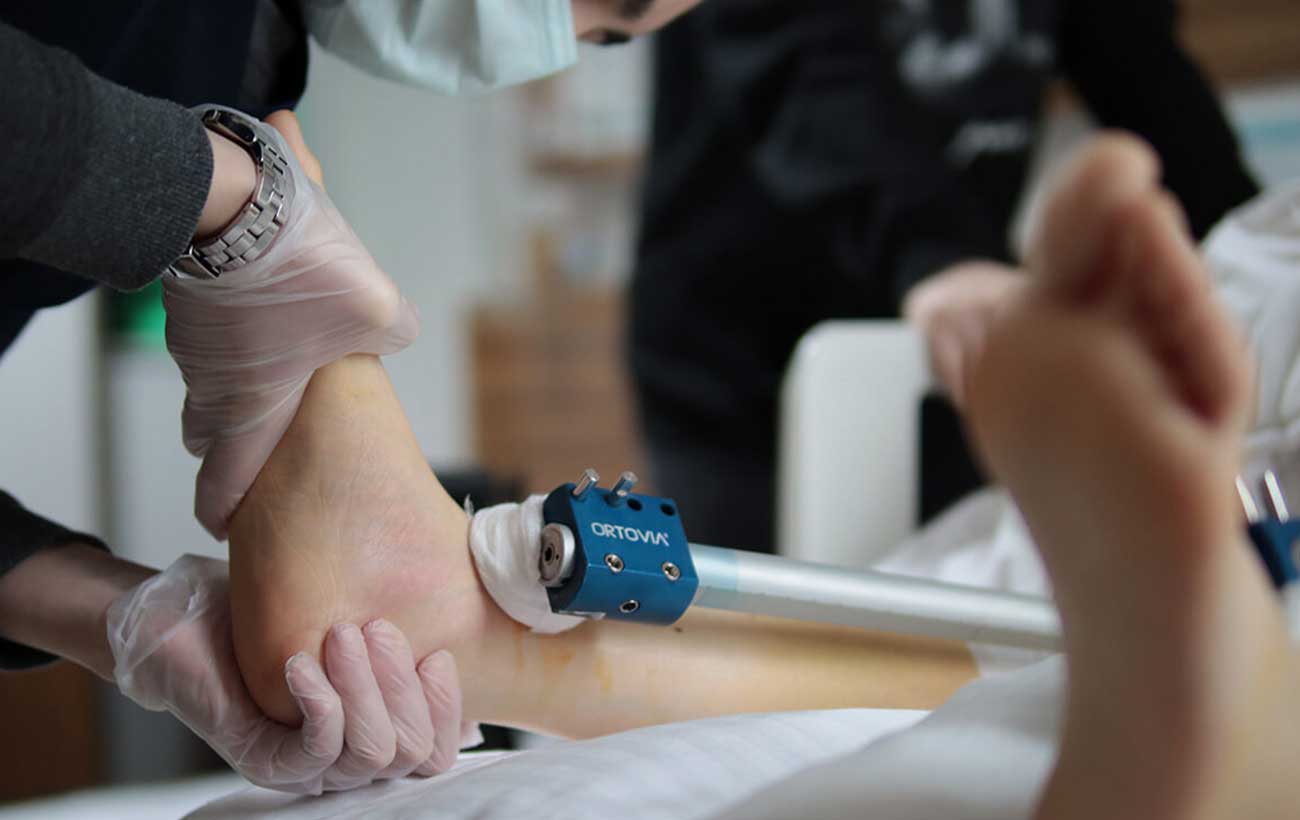
Cosmetic lengthening treatments are grounded in orthopedic science. The core principle is the body’s natural ability to regenerate bone tissue when guided under controlled conditions. Surgeons carefully divide the bone, then use specialized implants to slowly create space between the bone segments. As the gap expands, the body fills it with new bone tissue, gradually increasing length.

However, modern cosmetic lengthening goes beyond simply making the legs longer. Surgeons evaluate how a change in height will affect posture, movement, balance, and proportion. The aim is to achieve a result that looks natural and feels comfortable.

Why Individuals Consider Lengthening?

People explore cosmetic lengthening for various reasons:

  • Height Confidence: Some individuals feel that a small increase in height may improve how they carry themselves socially or professionally.
  • Proportion Balancing: In some cases, the legs may appear shorter or longer in relation to the torso, and lengthening can create harmonious body symmetry.
  • Correcting Subtle Limb Differences: Even small leg length inequalities can affect comfort, coordination, and gait.

The modern perspective acknowledges that physical appearance can play a meaningful role in self-image. When approached thoughtfully, cosmetic lengthening is about alignment between one’s outer presentation and inner sense of identity.

The Shift Toward Internal Lengthening Devices

One of the most important advancements in cosmetic lengthening is the development of internal lengthening rods. These rods are placed inside the bone, eliminating the need for external frames that were used in earlier decades. The internal device expands gradually through controlled adjustments, often guided by a handheld remote device.

Benefits of internal lengthening systems include:

  • No visible external hardware.
  • Reduced risk of infection.
  • Greater comfort and mobility.
  • More natural movement during recovery.

Patients can often stand and walk with assistance early in the recovery process, which supports circulation, strength, and joint health.

Emphasis On Proportion And Balance

Achieving a natural appearance requires careful planning. Surgeons analyze each patient’s:

  • Bone structure.
  • Leg-to-torso ratio.
  • Hip and knee alignment.
  • Foot positioning during gait.

Based on this evaluation, they determine how much lengthening is appropriate. This attention to proportion ensures that the final result looks harmonious and supports proper movement mechanics. Instead of pursuing the maximum possible increase, the modern approach focuses on achieving balance.

The Role Of Physical Therapy

Recovery is gradual, and physical therapy is a key component of the process. As the bone lengthens, muscles and tendons must stretch. Guided exercises help maintain flexibility and strength, preventing stiffness and promoting functional movement.

Therapists tailor routines for each stage of healing, gradually progressing from gentle range-of-motion exercises to strength conditioning and gait training. This approach allows individuals to maintain stability as their body adapts.

Psychological Support And Personal Motivation

Cosmetic lengthening involves an emotional journey as well as a physical one. Patients who feel internally aligned with their choice tend to experience the most fulfilling outcomes. Many clinics provide mindset coaching, support groups, or patient mentors who have completed the process and can offer guidance.

This support helps individuals stay motivated, patient, and positive during the gradual transformation.

A Thoughtful, Patient-Centered Approach

Nowadays, safety, customization, and natural results are given top priority in cosmetic lengthening procedures. Through advanced surgical techniques, internal implants, structured rehabilitation, and emotional support, the modern approach is holistic. Patients are encouraged to consider their goals carefully, balance expectations, and commit to the process with clarity.

When performed with expertise and thoughtful planning, cosmetic lengthening can help individuals feel more at ease and confident in their bodies—not through dramatic change, but through refined and harmonious enhancement.