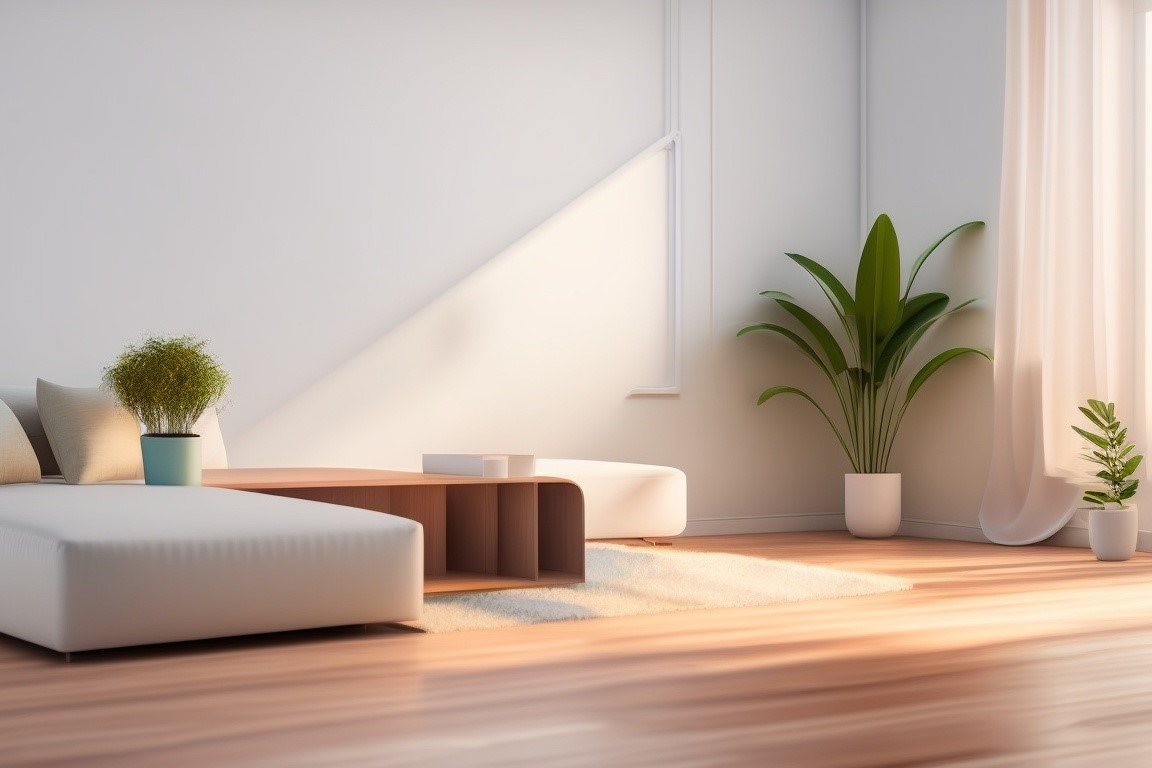
In a culture where more often seems better—more possessions, more money, more status—the idea of simple living can feel radical. Yet, as life grows increasingly fast-paced and complicated, more people are discovering the quiet joy in owning less and embracing a lifestyle centered around intention, presence, and clarity.
Simple living isn’t about deprivation. It’s not a vow of poverty or an aesthetic contest to see who can live with the fewest belongings. Rather, it’s a mindset shift—a conscious decision to let go of the excess that clutters our homes, schedules, and minds, so we can make space for what truly matters.
The Weight Of “Stuff”
Many of us accumulate possessions with the hope that they will add value to our lives. But over time, our things can begin to feel like burdens. Closets overflow, garages become storage units, and digital devices add mental clutter instead of simplifying life. The weight of ownership is real—not just physically, but emotionally. Each item requires attention, maintenance, and decision-making. The more we own, the more our energy gets dispersed across things that don’t always enrich our lives.
Simple living encourages us to question whether our belongings support or distract from our wellbeing. When we own fewer things, we’re more likely to appreciate and take care of the things we do have. We buy with intention, use with purpose, and eliminate the distractions that keep us from clarity.
Reclaiming Time And Energy
Beyond physical clutter, a packed life often leads to emotional and mental exhaustion. Overscheduled calendars, nonstop digital notifications, and the pressure to always do more can leave us drained. Simple living extends beyond material minimalism—it’s about rethinking how we spend our time and where we direct our energy.
Owning less often leads to needing less. With fewer bills, less upkeep, and a clearer focus, we create room for meaningful experiences. Whether it’s spending time with family, nurturing a creative hobby, or simply enjoying a quiet morning, simple living allows us to reclaim hours once consumed by maintenance, shopping, or stress.
Financial Freedom Through Simplicity
Living simply often aligns with living frugally—not necessarily out of necessity, but out of choice. When we stop chasing trends and impulsively buying, we not only save money but also reduce financial stress. This doesn’t mean you can’t enjoy quality items or occasional luxuries; it means your spending reflects your values rather than your impulses.
Many people who adopt simple living find themselves with more financial flexibility. They save more, invest wisely, and even downsize to reduce costs. This financial breathing room can lead to new opportunities—like changing careers, starting a business, or traveling more—things that often feel out of reach when bound by consumer debt or lifestyle inflation.
A Clearer Mind, A Fuller Life
The benefits of simple living aren’t just external. As we declutter our surroundings and schedules, something shifts internally. There’s a mental lightness that comes from making fewer decisions, having fewer distractions, and living with intention. Our minds are no longer clouded by the chaos of excess.
This clarity opens space for personal growth. We’re more likely to pursue what fulfills us when we aren’t overwhelmed by trying to keep up with appearances or manage chaos. Simplicity fosters mindfulness. We begin to notice the little things—a warm conversation, a beautiful sunrise, a moment of stillness. These are the things we often miss in a life of rush and noise.
Living With Purpose
Perhaps the greatest gift of simple living is purpose. When we strip away the non-essential, what remains is often what truly matters. Our relationships, our values, our health, our passions—these come into sharper focus. We no longer live by default, driven by marketing or societal pressure. Instead, we live by design.
Simple living invites us to redefine success. Rather than measuring our worth by what we own or how busy we are, we begin to measure it by how aligned we are with our values. Are we present with our loved ones? Do we feel fulfilled by how we spend our time? Are we caring for our bodies and minds? These become our benchmarks, and they lead to a deeper, more lasting form of happiness.
Final Thoughts
Choosing a life of less doesn’t mean giving up comfort or ambition—it means redefining both. It means choosing depth over breadth, quality over quantity, peace over pressure. In a world that constantly tells us to want more, simple living is a powerful reminder that less really can be more. Owning less isn’t the goal in itself—it’s the door to something richer. It’s the space to breathe, the freedom to choose, and the chance to live a life that feels truly your own.
Here are some helpful resources to explore:
https://seabreezetinyhomes.com
https://informagiovanicirie.net
https://thinkingcreatively.org
https://healthcareforgunner.com
https://free-download-casino.com